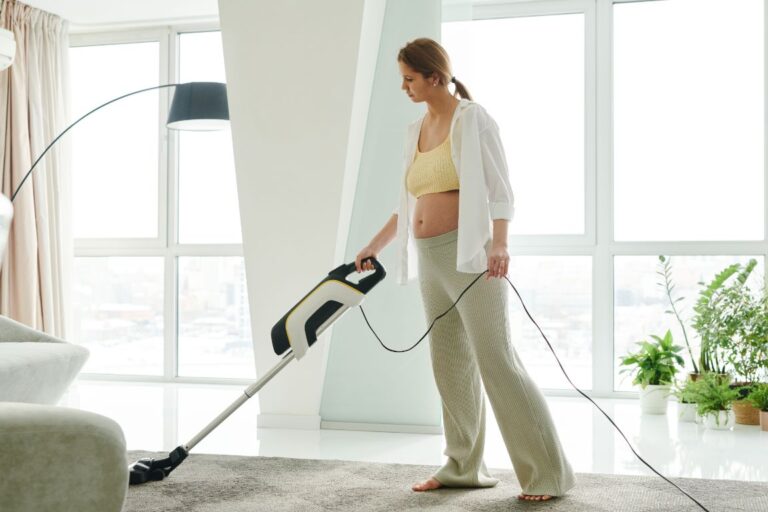

How to Clean Laminate Floors Without Dulling the Finish
Laminate floors are easy to maintain, but they are also easy to over-clean.
Too much water can work into the joints. Excess cleaner can leave a cloudy film. Rough brushes can scratch the surface. Products designed to add shine may create buildup instead of making the floor look better.
The safest routine is simple: remove loose grit first, use a lightly damp microfiber mop when needed, follow the flooring manufacturer’s cleaner instructions, and avoid leaving visible moisture behind. Laminate manufacturers consistently warn that excessive water can damage the floor.
Check the Floor Manufacturer’s Instructions
Before trying a new cleaner or machine, check the care information supplied with your flooring.
Laminate products vary. Some have enhanced water-resistant surfaces, while others require much stricter moisture control. Warranty conditions may also specify which cleaners and cleaning methods are acceptable.
Look for:
- Brand and product line
- Water-resistance rating
- Approved cleaning products
- Stain-removal instructions
- Restrictions on steam cleaning
- Warranty requirements
When the manufacturer’s instructions differ from general cleaning advice, follow the manufacturer.
Remove Loose Dirt Before Mopping
Sand, grit, crumbs, and small stones can scratch the surface when dragged beneath a mop.
Start with one of these:
- Microfiber dust mop
- Soft-bristle broom
- Vacuum with a hard-floor or parquet attachment
- Vacuum with soft wheels
Pergo recommends regular vacuuming with soft wheels and a parquet brush, while its maintenance guide suggests dry cleaning weekly before occasional damp mopping.
Pay particular attention to:
- Entryways
- Kitchen work areas
- Under dining tables
- Around pet bowls
- Hallways
- Edges where grit gathers
Move slowly enough to collect the debris rather than pushing it into another part of the room.
Wipe Spills Promptly
Even laminate marketed as water resistant should not be treated like a waterproof floor.
Blot spills as soon as practical using a clean absorbent cloth. Then wipe the area with a slightly damp cloth if residue remains and dry it afterward.
Quick-Step advises removing stains promptly, while Pergo similarly recommends acting quickly because fresh spills are easier to deal with.
Be especially careful with:
- Pet water bowls
- Plant pots
- Wet shoes
- Refrigerator leaks
- Dishwasher leaks
- Spills near plank joints
- Water collecting beneath rugs or mats
Do not let wet towels, mop heads, or damp mats sit on the floor.
Use a Slightly Damp Microfiber Mop
Laminate floors generally need much less water than tile or sheet vinyl.
Dampen the microfiber pad, then wring it out thoroughly. It should feel damp—not wet enough to leave puddles, droplets, or a visible water trail.
A practical method:
- Vacuum or dust-mop the floor.
- Mix an approved laminate-floor cleaner according to its instructions.
- Lightly dampen the microfiber mop.
- Clean a manageable section.
- Rinse and wring the mop when it becomes dirty.
- Remove any visible moisture.
- Let the floor dry before replacing rugs or walking on it heavily.
Quick-Step recommends using water sparingly and warns that surplus liquid should never remain standing on laminate. Pergo similarly recommends a slightly damp microfiber mop once or twice a month, depending on use.
Mop in the Direction of the Planks
Working in the direction of the plank pattern can make drying marks less visible.
Use smooth, overlapping passes rather than repeatedly scrubbing the same spot. Clean smaller areas so the mop does not spread dirty water across the entire room.
Pergo specifically recommends mopping in the direction of the planks or tiles to reduce drying streaks.
If the floor begins looking streaky as it dries, the likely causes are:
- Too much cleaner
- A dirty mop pad
- Too much water
- Residue from a previous product
- Reusing dirty rinse water
- Oily disposable cleaning cloths
Pergo cautions that some impregnated disposable cloths contain oily products that can attract dust or leave marks.
Use the Right Amount of Cleaner
Adding extra floor cleaner rarely improves the result.
Too much product can leave a film that:
- Looks dull
- Shows footprints
- Attracts dust
- Creates streaks
- Feels slightly sticky
Follow the dilution instructions for the specific product. Do not estimate by pouring a large amount into the bucket.
After cleaning, the floor should not smell strongly of product or feel coated.
How to Remove Everyday Marks
For food, drinks, or ordinary dirt:
- Remove any solid debris.
- Blot liquid immediately.
- Wipe with a clean damp cloth.
- Use an approved laminate cleaner if needed.
- Dry the area.
Quick-Step recommends dealing with stains promptly and using a compatible floor cleaner rather than allowing residue to remain.
For stubborn marks such as paint, marker, nail polish, or rubber transfer, use only the spot-treatment method recommended by your floor manufacturer. Some brands permit a specific spot cleaner or carefully controlled solvent use, but that does not make the same method safe for every laminate floor.
Always test in an inconspicuous location first.
Avoid Scrubbing With Abrasive Tools
Laminate has a durable wear layer, but it can still be scratched or dulled.
Avoid:
- Steel wool
- Metal brushes
- Scouring powders
- Rough scrub pads
- Abrasive cleaning creams
- Scrapers not approved by the manufacturer
- Stiff power-scrubber attachments
Pergo’s installation and maintenance guidance explicitly says not to use scouring products on laminate flooring.
For a mark that does not release with a soft cloth, stop and check the manufacturer’s stain-removal instructions before increasing pressure.
Avoid Wax, Polish, and Shine-Restoring Coatings
Laminate is not cleaned or restored like unfinished wood flooring.
Do not apply:
- Floor wax
- Furniture polish
- Varnish
- Oil soap unless specifically approved
- Acrylic shine products
- Wood-floor refinishing products
These can create an uneven coating that traps dirt and becomes difficult to remove.
Pergo states that wax and varnish coatings should not be used on its laminate floors.
A dull-looking floor often needs residue removal or a clean mop pad—not another shine product.
Be Careful With Steam Mops
Do not use a steam mop unless the flooring manufacturer explicitly permits it for your exact product.
Steam combines heat and moisture, which may work into plank joints or affect the floor’s construction. Even when a floor is described as moisture resistant, that does not automatically mean steam cleaning is approved.
Check the warranty and maintenance instructions before using any steam-cleaning machine.
Do Not Flood-Mop the Floor
Traditional wet mopping is unsuitable for most laminate flooring.
Avoid:
- Pouring water directly onto the floor
- Using a soaking-wet string mop
- Letting dirty water pool near edges
- Leaving the floor wet to “air dry” when visible water remains
- Mopping without wringing the pad
- Running wet cleaning machines unless approved
Quick-Step recommends drying until no visible moisture remains, while Pergo advises using very little water and drying non-water-resistant products completely.
How to Clean Sticky Laminate Floors
If the floor feels sticky after cleaning, cleaner residue is often the cause.
Try this:
- Vacuum the floor.
- Use a fresh microfiber pad.
- Lightly dampen it with clean water or the manufacturer’s recommended diluted cleaner.
- Mop a small test area.
- Dry the section.
- Compare it with the surrounding floor.
Do not immediately add a stronger cleaner. More product may make the residue worse.
You may need several lightly damp passes with clean pads to remove an old buildup.
How to Prevent Streaks
For a clearer finish:
- Vacuum first.
- Use a clean microfiber pad.
- Measure the cleaner.
- Use minimal water.
- Change rinse water when dirty.
- Mop with the plank direction.
- Avoid oily disposable pads.
- Dry visible moisture.
- Do not walk across the floor until dry.
If streaks appear only in sunlight, use less cleaner during the next session and change the mop pad more frequently.
Protect High-Traffic Areas
Cleaning is easier when less grit reaches the floor.
Use:
- Doormats at exterior entrances
- Felt pads beneath furniture
- Protective mats where suitable
- Regular dry cleaning near doors
- Trays beneath indoor plant pots
- Quick cleanup around pet bowls
Pergo recommends entrance mats, felt furniture pads, lifting rather than dragging furniture, and promptly dealing with spills.
Avoid rubber-backed mats if the flooring manufacturer warns that the backing may discolor or react with the surface.
Do Not Drag Furniture
Furniture legs can scratch laminate even when the floor looks clean.
Lift furniture when moving it. Use felt pads beneath chairs, tables, and movable furniture, and replace the pads when they collect grit or wear thin.
A felt pad with sand trapped underneath can scratch rather than protect.
A Practical Laminate-Floor Routine
Daily or as needed
- Wipe spills.
- Pick up visible grit.
- Sweep high-traffic areas.
- Check beneath pet bowls and plant pots.
Weekly
- Vacuum or dry-mop the full floor.
- Clean edges and under movable furniture.
- Shake out entrance mats.
Once or twice a month
- Use a slightly damp microfiber mop.
- Follow the cleaner’s dilution instructions.
- Check that no visible moisture remains.
Pergo recommends weekly dry care and a more thorough slightly damp clean once or twice per month, depending on floor use and dirt levels.
Homes with pets, children, or heavy entryway traffic may need more frequent dry cleaning, but not necessarily more frequent wet cleaning.
Common Laminate-Cleaning Mistakes
Using too much water
Water can work into seams and edges, potentially causing swelling or other damage.
Adding extra cleaner
This may leave a cloudy or sticky film.
Using a dirty mop pad
A loaded pad spreads dirt and residue instead of removing them.
Treating laminate like hardwood
Laminate should not be waxed, oiled, sanded, or refinished like traditional wood flooring.
Scrubbing with abrasive products
Rough tools can permanently dull or scratch the wear layer.
Ignoring small leaks
Repeated moisture from appliances, pet bowls, plant pots, or entryways can cause more damage than occasional cleaning.
When the Floor Needs More Than Cleaning
Cleaning will not correct:
- Swollen plank edges
- Open joints
- Peeling surfaces
- Deep scratches
- Water damage
- Loose or moving planks
- Permanent discoloration
- Damage beneath leaking appliances
If the floor has lifted edges or gaps, identify and stop the moisture source first. Contact the flooring manufacturer, installer, or a qualified flooring professional before attempting repairs.
Final Takeaway
Laminate floors do not need aggressive cleaning.
Remove loose grit regularly, wipe spills promptly, and use a lightly damp microfiber mop only when needed. Measure the cleaner carefully and avoid leaving visible water on the surface.
Skip wax, rough scrubbers, soaking-wet mops, and unapproved steam machines.
The safest cleaning routine is the one that removes dirt without leaving behind water, product buildup, or scratches.
FAQ
Can you mop laminate floors?
Yes, but use a slightly damp microfiber mop rather than a soaking-wet mop. Wring the pad thoroughly and do not leave standing water on the floor.
What is the best cleaner for laminate floors?
Use the cleaner recommended by the flooring manufacturer, diluted exactly as instructed. Avoid waxes, polishes, abrasive cleaners, and products that leave an oily coating.
Can you clean laminate flooring with just water?
A lightly damp microfiber mop with water may handle light dirt, depending on the manufacturer’s instructions. Avoid excess moisture and dry visible water promptly.
Why does my laminate floor look dull after mopping?
Common causes include too much cleaner, product buildup, dirty water, oily disposable pads, or a mop pad that needs washing.
Can you use a steam mop on laminate?
Only when the manufacturer explicitly approves steam cleaning for that exact flooring product. Otherwise, avoid it because heat and moisture may damage seams or the floor structure.